.png)
EPOCH
Long-Term Obesity Management with Tirzepatide: Insights from the SURMOUNT-MAINTAIN Trial
BY:
Dr. Feng Xue


Obesity is a chronic, progressive disease that requires long-term management to sustain weight loss and reduce cardiometabolic risk. While modern anti-obesity medications can achieve substantial bodyweight reduction, maintaining these benefits after initial treatment remains a significant challenge. The SURMOUNT-MAINTAIN trial evaluated whether continuing tirzepatide at the maximum tolerated dose (MTD), reducing the dose to 5 mg, or discontinuing treatment could best preserve weight loss achieved during a 60-week intensive treatment phase. The study demonstrated that continued tirzepatide therapy was highly effective in maintaining bodyweight reduction and associated cardiometabolic improvements. Although dose reduction to 5 mg resulted in some weight regain, it remained significantly superior to treatment discontinuation and may represent a practical alternative for certain patients. These findings reinforce the concept that obesity should be managed as a chronic disease requiring ongoing therapy and support individualised, patient-centred treatment strategies.
Introduction(#cc6867)
The treatment of obesity has entered a new era with the development of highly effective medications such as tirzepatide, a dual glucose-dependent insulinotropic polypeptide (GIP) and glucagon-like peptide-1 (GLP-1) receptor agonist. Clinical trials have shown that tirzepatide can produce substantial and clinically meaningful weight loss while improving multiple cardiometabolic risk factors.1 However, achieving weight loss is only part of the challenge. Long-term maintenance of reduced body weight remains a critical issue in obesity care.2
Weight regain frequently occurs when treatment is discontinued due to the chronic nature of obesity and the body's biological tendency to restore lost weight. The SURMOUNT-MAINTAIN trial was designed to address an important clinical question: can the benefits of tirzepatide be maintained by continuing treatment, reducing the dose, or discontinuing therapy altogether?3
Understanding the SURMOUNT-MAINTAIN Trial
SURMOUNT-MAINTAIN was a multicentre, randomised, double-blind, placebo-controlled Phase 3b trial conducted across 20 sites in the United States. The study enrolled adults with obesity or overweight accompanied by weight-related comorbidities. Participants initially underwent a 60-week open-label weight-loss phase during which all received tirzepatide at their maximum tolerated dose of either 10 mg or 15 mg.3
After achieving significant weight reduction, eligible participants were randomly assigned to one of three groups for an additional 52-week maintenance period:3
• Continued tirzepatide at the maximum tolerated dose (MTD)
• Reduced tirzepatide to 5 mg weekly
• Switched to placebo
This design allowed investigators to directly compare different maintenance strategies after successful weight loss.3
Continued Tirzepatide Provides the Strongest Weight-Loss Maintenance
The study’s results clearly demonstrated the value of maintaining treatment intensity. Participants who remained on tirzepatide MTD achieved an average bodyweight reduction of 21.9% from baseline at week 112, compared with 16.6% among those reduced to 5 mg and 9.9% among those switched to placebo (Figure 1).3
Importantly, patients who continued on MTD essentially maintained their weight loss during the maintenance phase, showing only a negligible change of –0.2% from the time of randomisation. In contrast, participants receiving 5 mg experienced an average weight regain of 7.0%, while those switched to placebo regained 15.2% of their body weight.3
Among individuals who had reached a weight plateau before randomisation, continued MTD therapy preserved 96.5% of the weight lost during the initial treatment period. This finding suggests that ongoing full-dose treatment can effectively prevent the substantial weight regain commonly observed after discontinuation of obesity medications.3
Dose Reduction to 5 mg: A Viable Alternative for Some Patients
One of the most innovative aspects of SURMOUNT-MAINTAIN was its evaluation of dose reduction rather than simply comparing treatment continuation with discontinuation. Patients who reduced to 5 mg maintained 67.9% of their initial weight reduction, significantly outperforming placebo recipients, who maintained only 42.8% of their initial weight loss. Furthermore, 42.4% of participants receiving 5 mg were able to maintain at least 80% of their original weight loss, compared with only 10.4% in the placebo group.3
These findings suggest that reducing tirzepatide to 5 mg may offer a reasonable compromise for patients who experience tolerability concerns, prefer lower medication exposure, or face other barriers to continued MTD treatment. However, responses varied considerably between individuals, indicating that dose reduction may not be suitable for everyone. The study therefore supports a personalised approach, where clinicians can balance efficacy, tolerability, patient preferences, and cost considerations when determining long-term treatment plans.3
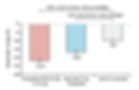
Figure 1: Model-based estimate percent change in bodyweight from baseline to week 112.3 ETD, estimated treatment difference.
Cardiometabolic Benefits Extend Beyond Weight Loss
At week 112, participants continuing tirzepatide MTD experienced greater reductions in triglycerides, systolic blood pressure, fasting glucose, fasting insulin, and HbA1c compared with placebo. Notably, 92.7% of participants with prediabetes at baseline who continued MTD treatment achieved normal HbA1c levels, compared with only 51.0% of those switched to placebo.3
Safety and Tolerability
The safety profile of tirzepatide in SURMOUNT-MAINTAIN was consistent with previous studies. Gastrointestinal adverse events, including nausea, vomiting, diarrhoea, and constipation, were the most commonly reported side effects. These events were generally mild to moderate in severity and occurred most frequently during dose escalation.4,5 Interestingly, the 5 mg group appeared to experience fewer gastrointestinal side effects. This observation suggests that dose reduction may improve tolerability while still preserving a substantial proportion of treatment benefits.3
Conclusion
The SURMOUNT-MAINTAIN trial provides compelling evidence that long-term therapy is essential for maintaining weight loss and cardiometabolic improvements in adults with obesity. Continuing tirzepatide at the maximum tolerated dose produced the most robust and sustained benefits, preserving nearly all of the weight loss achieved during the initial treatment phase. While reducing the dose to 5 mg resulted in some weight regain, it remained substantially more effective than treatment discontinuation and may serve as a valuable option for patients requiring a lower treatment intensity. Overall, the findings emphasise that obesity is a chronic disease requiring ongoing management and support a patient-centred approach that tailors treatment intensity to individual needs, preferences, and clinical responses.
References:
1. Jastreboff AM, et al. N Engl J Med 2025; 392: 958–71. 2. Hall KD and Kahan S. Med Clin North Am. 2018; 102: 183–97. 3. Horn DB, et al, Lancet. 2026;407(10545):2305–18. 4. Aronne LJ, et al. JAMA. 2024; 331: 38–48. 5. Jastreboff AM, et al. N Engl J Med. 2025; 392: 958–71.