top of page
.png)
Feature Story

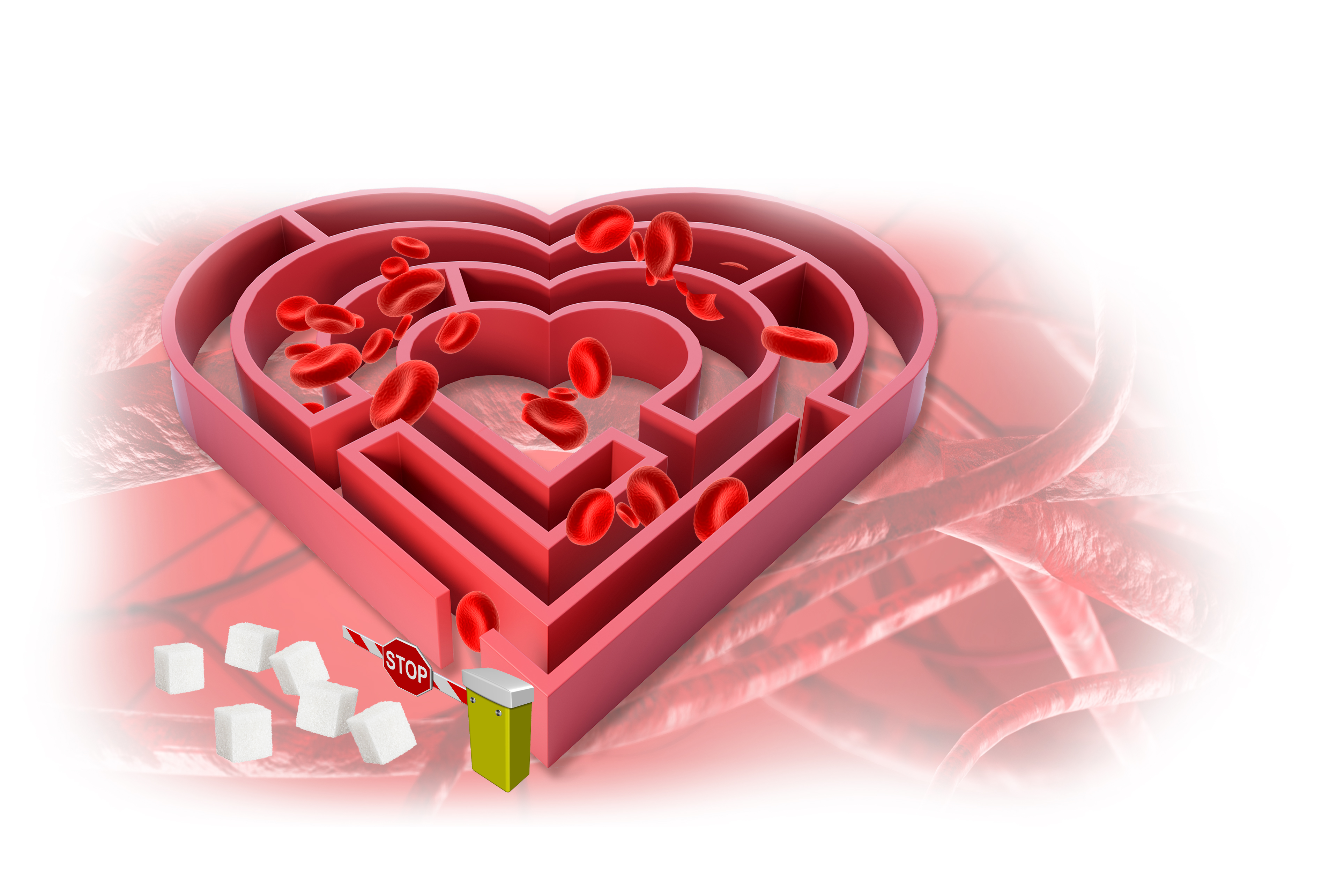
Breaking the Pathologic Combo of CVD and T2DM – Now and Then
Type 2 diabetes mellitus (T2DM) is a persistent state of hyperglycaemia and glucose intolerance that occurs when the body cannot effectively respond to insulin. 14% of adults aged 18 or older were living with diabetes globally in 2022, whereas that was 7% in 19901. While T2DM reduces life expectancy by up to 10 years, the main cause of death for patients with T2DM is cardiovascular disease (CVD)2. In view of the burden of CVD on T2DM patients, clinical guidelines generally advocate glycaemic control as the cornerstone for managing T2DM and as a protective measure against cardiovascular complications3. In recent years, emerging studies on biomarkers and prediction models aiming to estimate the CVD risk among T2DM patients, which facilitate early treatment and optimise outcomes. The purpose of this article is to review the pathophysiology of T2DM complicated by CVD and highlight the clinical management, as well as recent advancements in combating the diseases.
Dr. Roy Lau
Aug 14, 2025
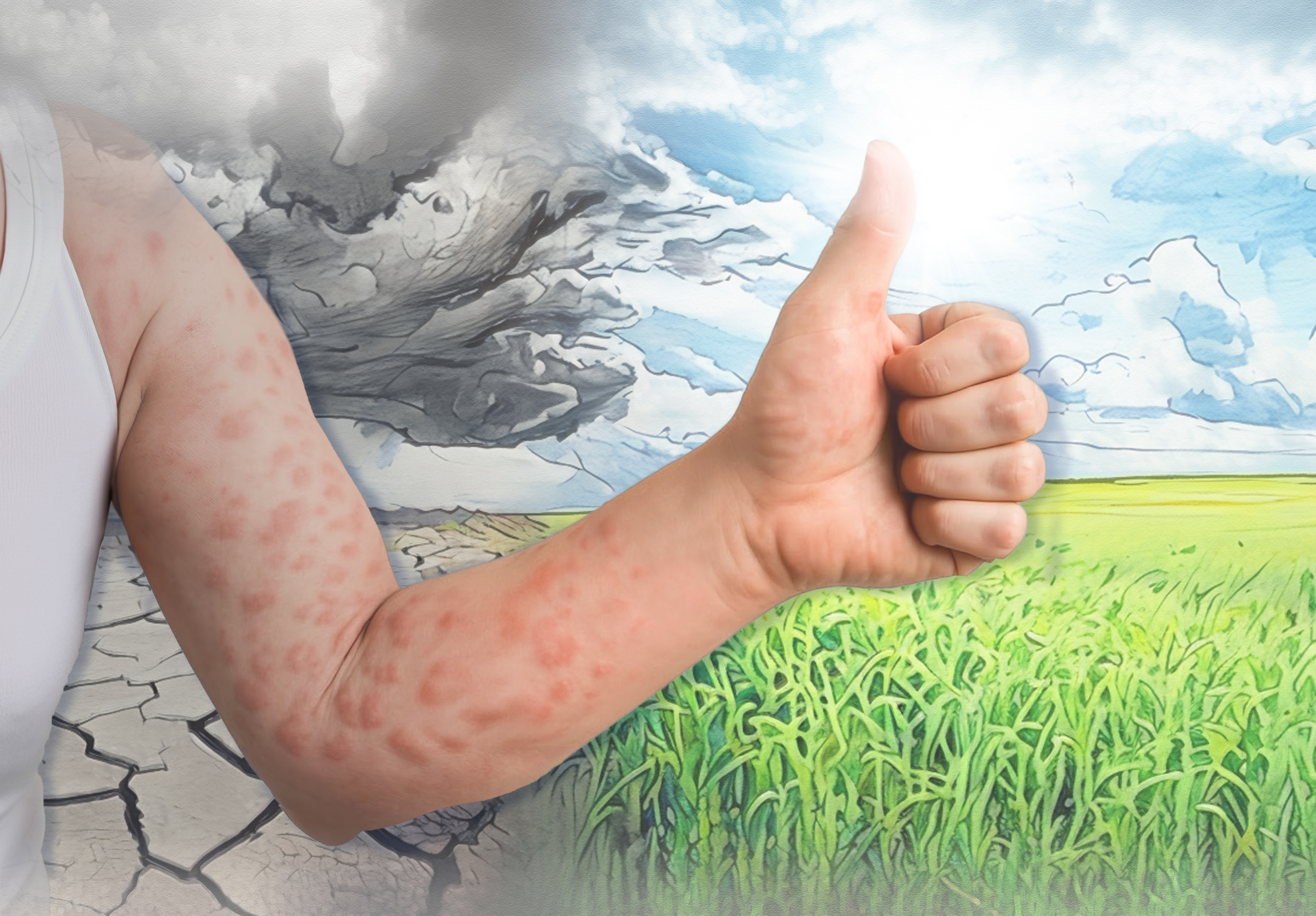
No More Itch – Uncovering Urticaria and Its Clinical Management
Urticaria, also known as hives, is a common dermatologic condition characterised by pruritic, erythematous, and elevated plaques. Another manifestation associated with urticaria is angioedema, involving deeper blood vessels. These two conditions can sometimes coexist. The disease burden of urticaria substantially affects not only patients' physical wellbeing but overall quality of life (QoL)1, whereas the socioeconomic impact of the disease is significant as well. Thus, effective and timely management of urticaria is paramount to mitigate its adverse outcomes. The purpose of this article is to review the clinical issues related to urticaria and highlight recent pharmacological advancements against the disease.
Dr. Roy Lau
Jun 13, 2025
bottom of page