.png)
ON THE PULSE
Highlights on biomedical research
Cholestasis After Burn Injury
BY:
Michelle
LeeFeb 11, 2026


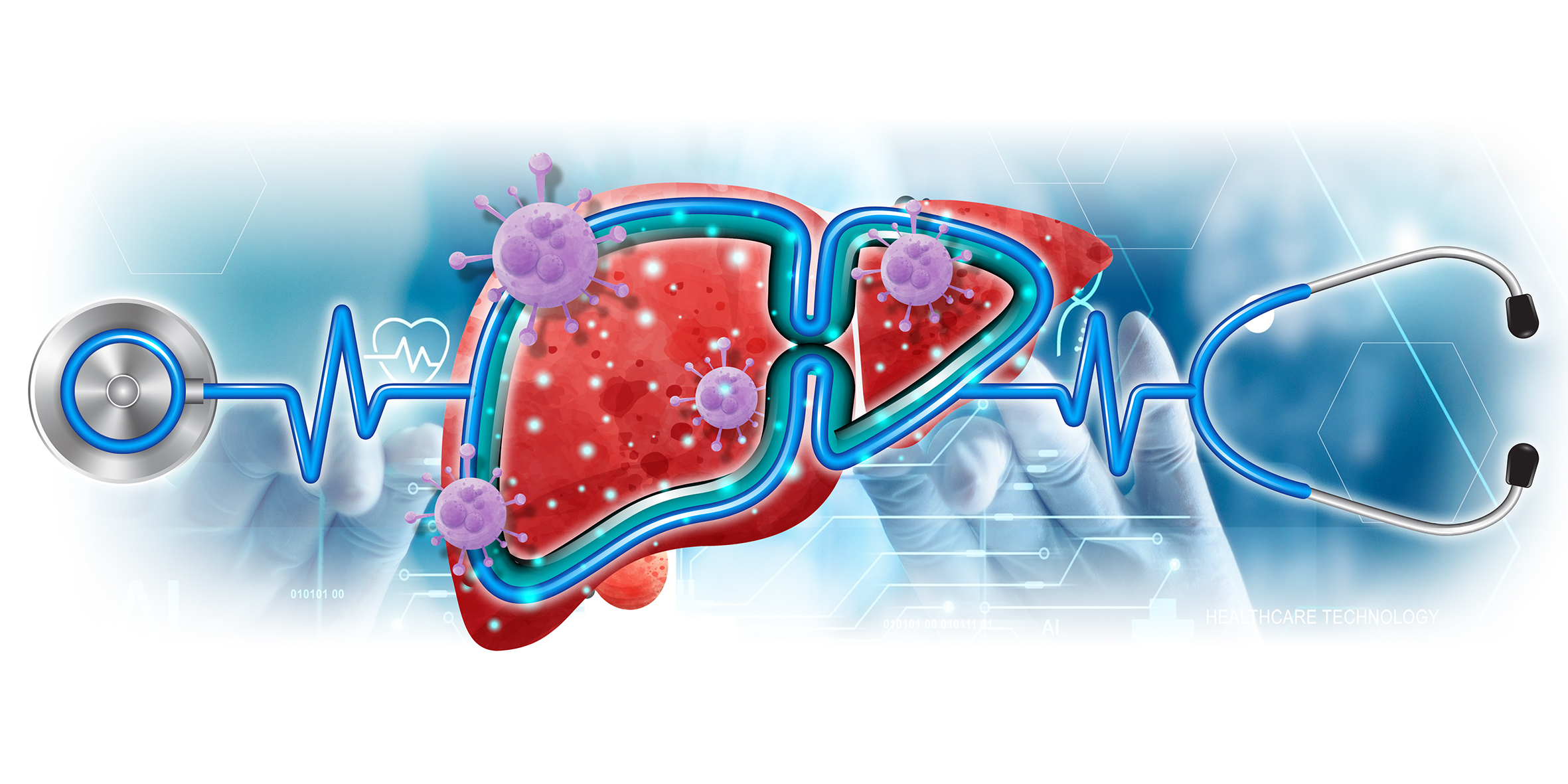
Burn-associated cholestasis (BAC) is a common complication following severe burn injuries, characterised by elevated liver enzymes and bilirubin levels. A study examined the clinical significance and prognostic value of cholestasis patterns in burn patients admitted to intensive care units. The researchers identified three distinct categories: BAC-A (elevated alkaline phosphatase and gamma-glutamyltransferase without hyperbilirubinemia), BAC-B (elevated enzymes with elevated bilirubin), and BAC-C (hyperbilirubinemia alone). Risk factors independently associated with BAC development included higher burn severity scores, ketamine use, mechanical ventilation, and parenteral nutrition. Importantly, bilirubin trajectories emerged as early predictors of mortality risk, with dynamic changes in cholestasis parameters providing critical prognostic information. These findings highlight that cholestasis in burn patients is highly dynamic rather than static, and monitoring bilirubin dynamics could guide clinical decision-making and identify high-risk patients requiring intensive intervention.2
Reference:
2. Semmler L, Semmler G, Langa A, et al. Characterisation and Prognostic Implication of Cholestasis After Burn Injury. Aliment Pharmacol Ther. 2026;0:1-11.